
Specifications
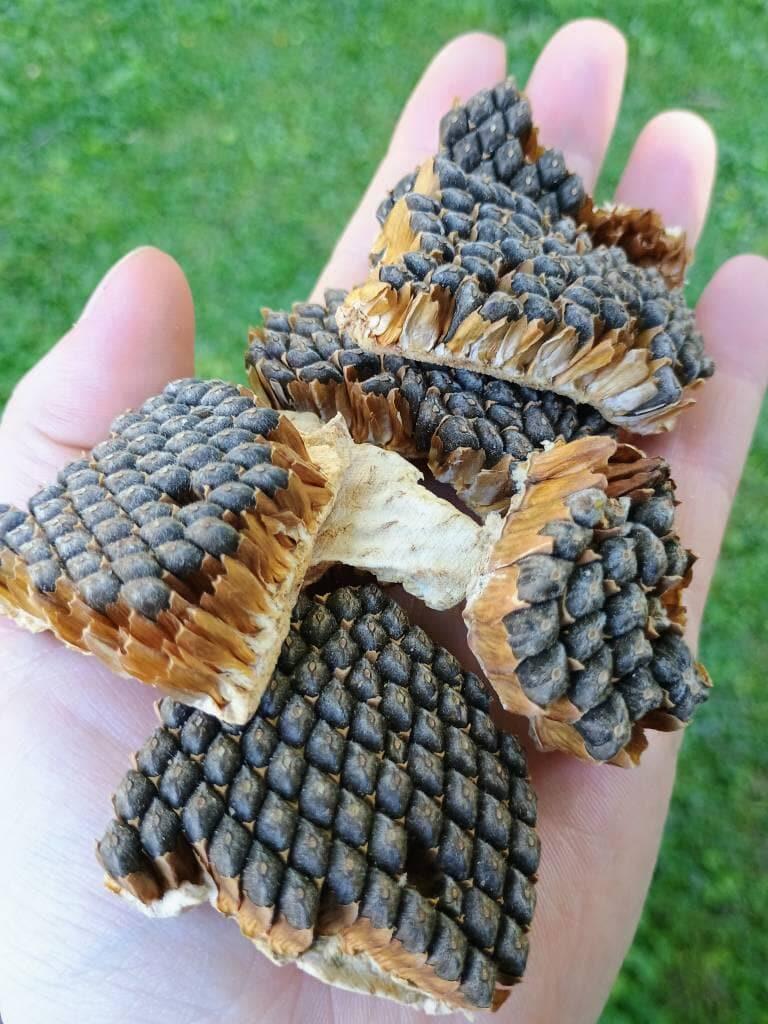
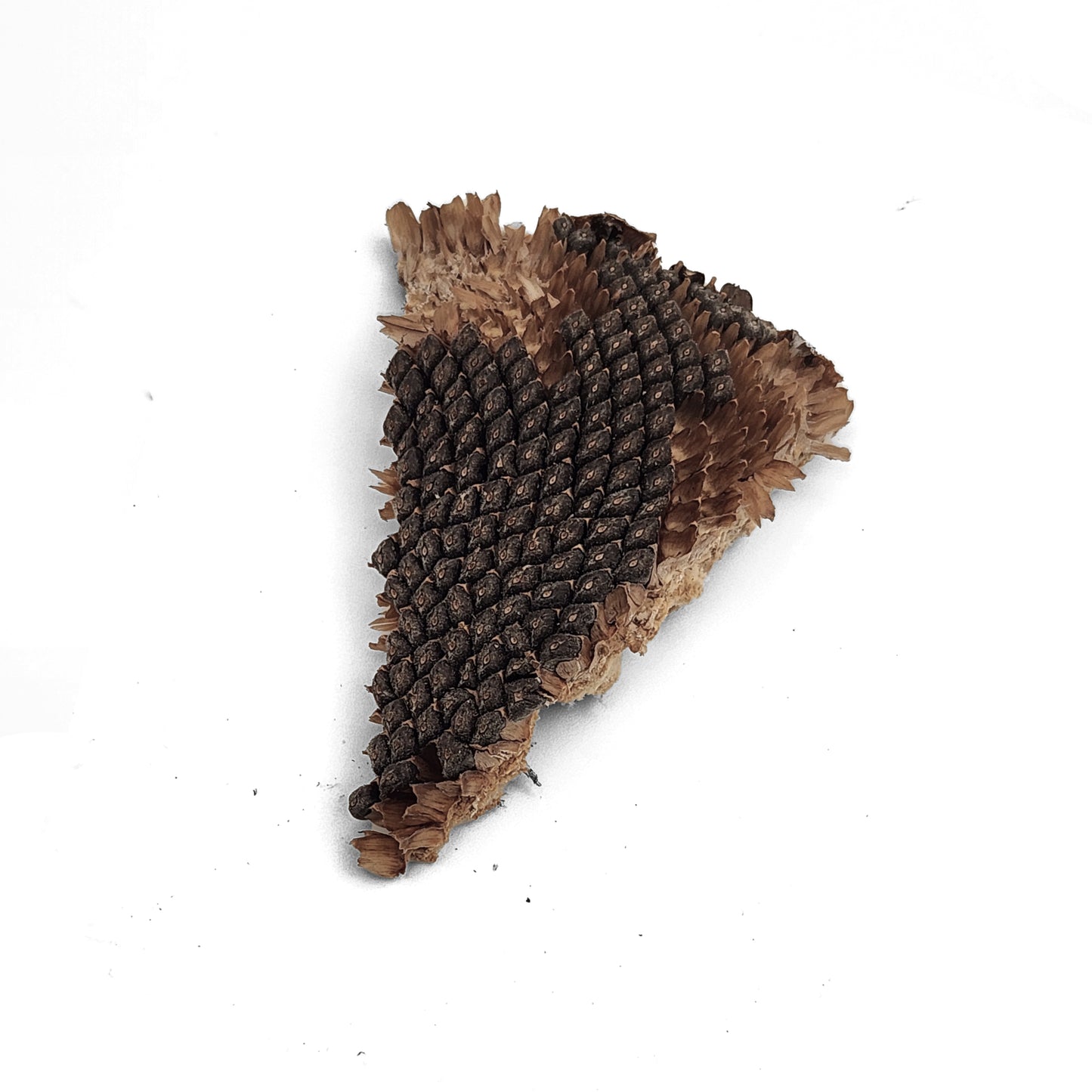
Your hamster, rat, or gerbil will pull seeds from a sunflower head piece one by one until it's completely empty. The structure of the head holds seeds in place until your pet works them out, turning a handful of seeds into a full session.
Available in 1/8 or 1/4 head pieces. First cut has more seeds remaining, second cut has less. Both are the same foraging experience, just different amounts.
- Seeds stay embedded until your pet pulls them out, extending the foraging session
- Natural head structure gives them something to grip, tear, and investigate
- Available in two sizes and two cuts depending on how long you want the session to last
- Single ingredient, no additives
Sold by the piece.

Shipping & Returns
$8 shipping on all U.S. orders.
Estimated delivery date shown at checkout
For international shipping, and all other shipping questions, visit Shipping & Returns page.
Foraging treat
Dinner in a bowl is over in seconds. A sunflower head is a project.
A foraging treat your critter will devour.
Your critter is wired to work for food, and a bowl of loose seeds skips all of it. A whole dried head puts the work back: every seed gripped, pried, and pulled free, one at a time.
How much to order
The size changes how long your stash lasts, not how much your critter gets.
A serving is one foraging session. Your critter works the chunk over, stashes what they want, and you pull the rest after a day. The guide below shows what a session looks like for your species. The sizes just decide how many sessions you have on hand.

Eighth head
About 2-7 sessions
A first taste. Enough to find out whether yours is a devourer or a skeptic.

Quarter head
About 4-15 sessions
The steady supply. Session-sized foraging on a regular schedule.

Sunflower Chunks
About 4-15 sessions,
This is your best bang for buck. They are also the easiest to portion
One session, by critter
| Critter | One session | How often |
|---|---|---|
 Syrian hamster
|
A palm-sized patch of the chunk, supervised, leftovers out after a day | 1 to 2 times per week |
 Dwarf hamster
|
A thumb-sized patch, supervised, leftovers out after a day | 1 time per week |
 Gerbil
|
A thumb-sized patch, great for a pair to work together | 1 time per week |
 Mouse
Mouse
|
A few seeds worth of face, supervised | 1 time per week |
 Rat
Rat
|
A palm-sized patch, they will strip it fast | 1 to 2 times per week |
Sunflower seeds are rich and fatty, which is why this is a weekly foraging treat and not a food bowl topper.
What's in it
One ingredient.
Every head makes the trip below before it reaches your critter. No coatings, no mixes, no mystery. When a seed gets pulled free, you know exactly where it came from.
- Start Saplings
- Plant our Garden
- Hand cut
- Air dried
- Checked
- Sealed

Quick facts
- Single ingredient, nothing added
- Grown in our Minneapolis garden
- One harvest a year, fixed supply
- Vacuum sealed with a desiccant pack
Before you have to ask