
Specifications
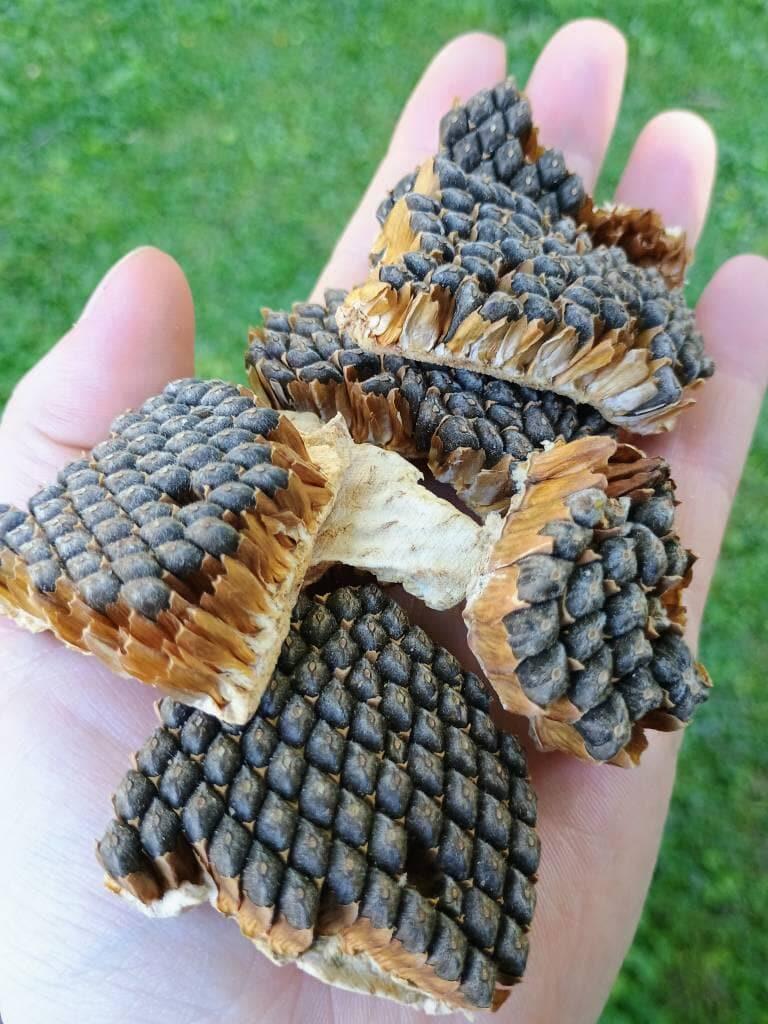
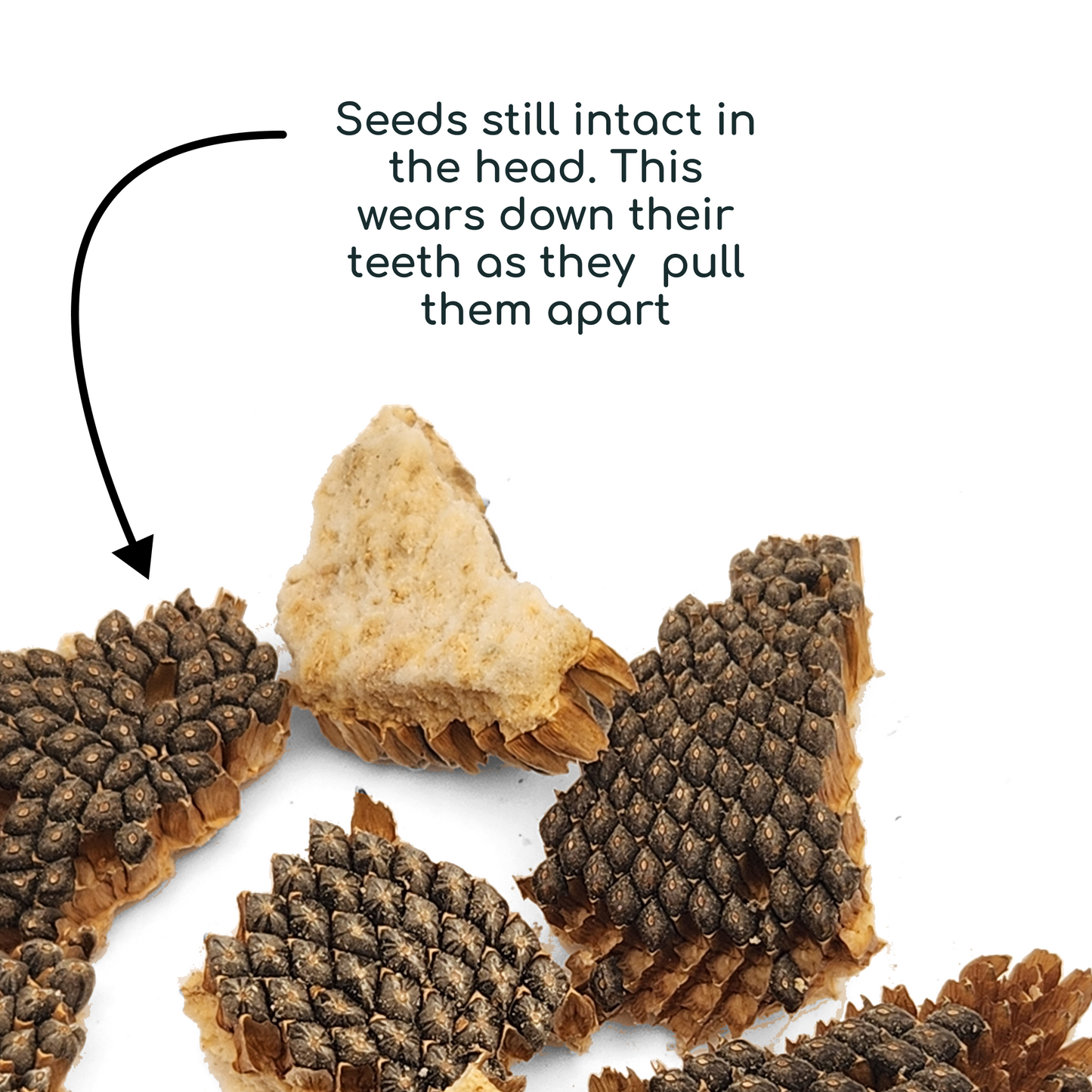
Your hamster, rat, or gerbil will pull seeds out of a sunflower chunk one at a time until the piece is picked clean. These are black oil sunflower seeds, smaller and thinner shelled than the standard giant kind you find at the supermarket. The smaller size fits the cheek pouches of dwarf hamsters, who pack them away one after another.
The pieces are cut into 1/2" to 2 inch chunks for easy portioning. The cut sections still hold seeds embedded in place, so even a small chunk turns into a foraging session instead of a quick snack.
- Your hamster picks the seeds out one at a time, which stretches a small piece into a full session
- Smaller black oil seeds let you keep portions reasonable
- Single ingredient, no additives
Ships in a resealable bag with a desiccant packet to keep the seeds fresh between sessions.
Sold by the ounce. If you order multiple ounces, they will be packaged separately.

Shipping & Returns
$8 shipping on all U.S. orders.
Estimated delivery date shown at checkout
For international shipping, and all other shipping questions, visit Shipping & Returns page.
Foraging treat
Dinner in a bowl is over in seconds. A sunflower head is a project.
A foraging treat your critter will devour.
Your critter is wired to work for food, and a bowl of loose seeds skips all of it. A whole dried head puts the work back: every seed gripped, pried, and pulled free, one at a time.
How much to order
The size changes how long your stash lasts, not how much your critter gets.
A serving is one foraging session. Your critter works the chunk over, stashes what they want, and you pull the rest after a day. The guide below shows what a session looks like for your species. The sizes just decide how many sessions you have on hand.

Eighth head
About 2-7 sessions
A first taste. Enough to find out whether yours is a devourer or a skeptic.

Quarter head
About 4-15 sessions
The steady supply. Session-sized foraging on a regular schedule.

Sunflower Chunks
About 4-15 sessions,
This is your best bang for buck. They are also the easiest to portion
One session, by critter
| Critter | One session | How often |
|---|---|---|
 Syrian hamster
|
A palm-sized patch of the chunk, supervised, leftovers out after a day | 1 to 2 times per week |
 Dwarf hamster
|
A thumb-sized patch, supervised, leftovers out after a day | 1 time per week |
 Gerbil
|
A thumb-sized patch, great for a pair to work together | 1 time per week |
 Mouse
Mouse
|
A few seeds worth of face, supervised | 1 time per week |
 Rat
Rat
|
A palm-sized patch, they will strip it fast | 1 to 2 times per week |
Sunflower seeds are rich and fatty, which is why this is a weekly foraging treat and not a food bowl topper.
What's in it
One ingredient.
Every head makes the trip below before it reaches your critter. No coatings, no mixes, no mystery. When a seed gets pulled free, you know exactly where it came from.
- Start Saplings
- Plant our Garden
- Hand cut
- Air dried
- Checked
- Sealed

Quick facts
- Single ingredient, nothing added
- Grown in our Minneapolis garden
- One harvest a year, fixed supply
- Vacuum sealed with a desiccant pack
Before you have to ask